
Aluminium Joinery
What are Aluminium Joineries?
Aluminium joinery is the general term for windows, doors, sliding systems, display cases, and facade solutions produced by cutting and assembling aluminium profiles. It is chosen as an alternative to PVC and timber joinery, particularly in projects requiring long service life, structural durability, and wide spans.

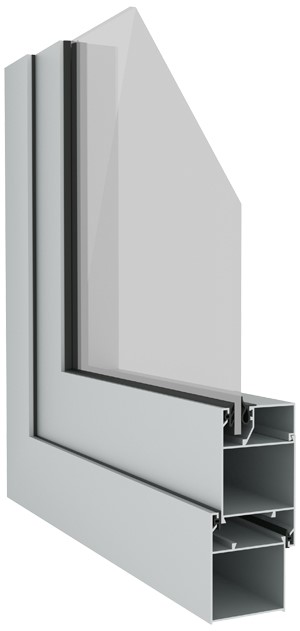
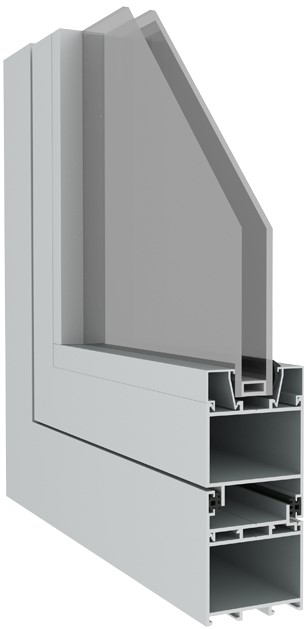
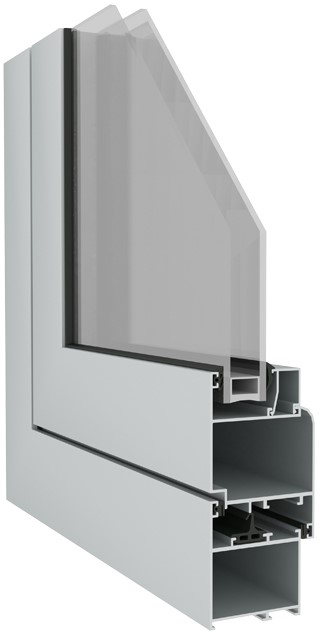
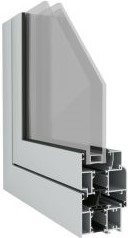
Non-Isulated Series
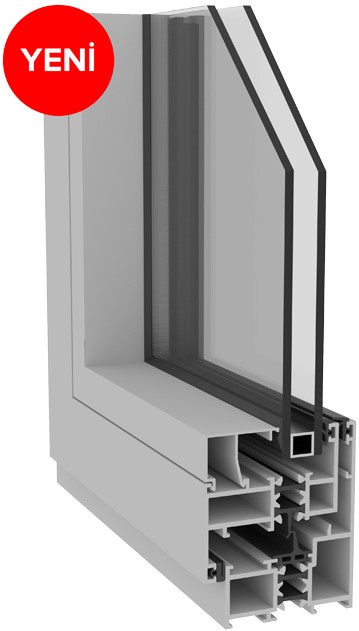
Sliding Systems
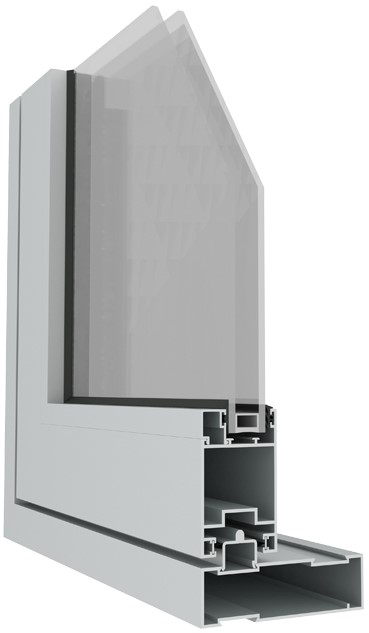
Other Systems
Aluminium Fabrication
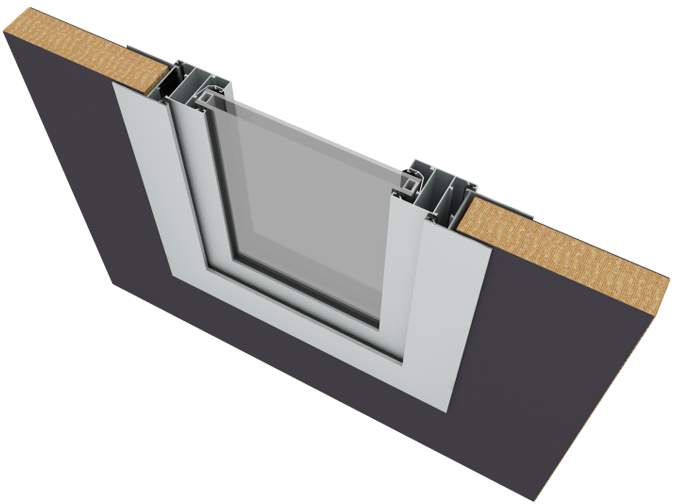
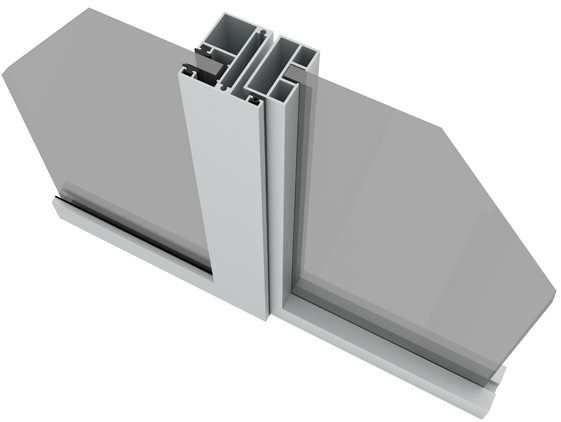
Aluminium fabrication refers to the process of transforming aluminium billets into architectural profiles through high-pressure extrusion, and then cutting and assembling these profiles into windows, doors, glass balconies, shopfronts, and facade systems. Standard profile lengths are produced between 6 and 7 metres, and can be cut to specification for each project’s requirements. With its lightweight nature, corrosion resistance, and long service life, aluminium has become one of the essential building materials of modern architecture.
Aluminium Fabrication Systems: Thermally Insulated and Non-Insulated
Aluminium fabrication is produced in two main categories:
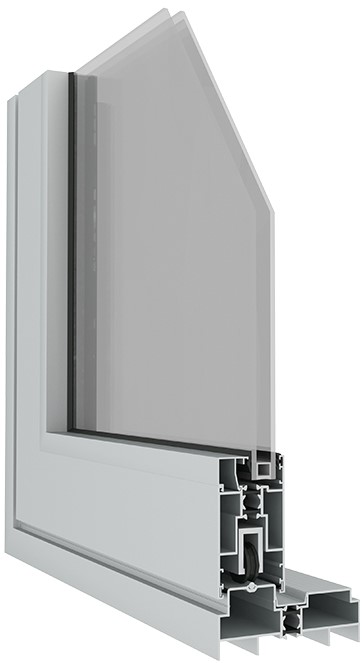
- Non-Insulated Systems (Aldoks and similar): Manufactured from a single-piece aluminium profile, these systems offer economic and fast production advantages. Typical U-values fall within the 5.5–7.0 W/m²K range, meaning thermal insulation is limited. They are suitable for office partitions, shopfronts, unheated interior spaces, and warehouse or factory areas.
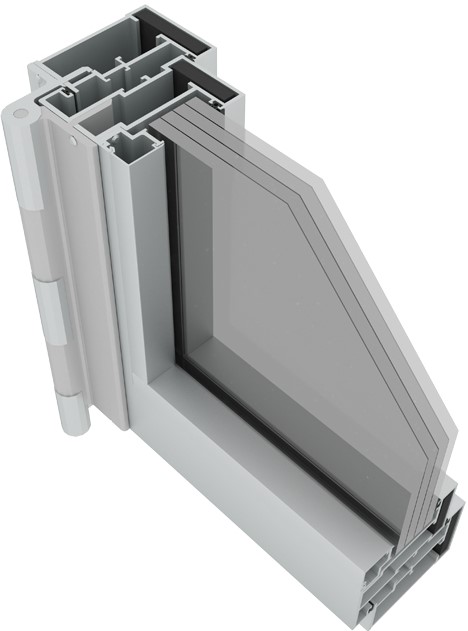
- Thermally Insulated Systems (Thermal Break): Produced by inserting a polyamide barrier between two aluminium profiles. This barrier interrupts heat transfer, typically reducing the U-value to 1.3–2.2 W/m²K. A level of performance that can compete with modern PVC windows. Systems such as TW55 fall within this category and are suitable for heated interior spaces, residential projects, and office facades.
How Aluminium Fabrication Prices Are Determined
Aluminium fabrication is priced per square metre and influenced by the following variables:
- Profile system: Non-insulated systems provide an economic solution, while thermally insulated (thermal break) systems occupy a different price segment due to their energy efficiency advantages.
- Glazing type: The choice between single glazing, standard double glazing, low-e coated double glazing, or triple glazing has a significant impact on total cost.
- Profile colour and surface finish: Natural anodising is the most economical option. Electrostatic powder coating (RAL colours) and wood-effect sublimation coatings add to the overall cost.
- Dimensions and waste ratio: Projects with standard dimensions have lower material waste, whereas those requiring custom cuts generate higher waste ratios.
- Accessory quality: Turkish or European-origin hinges, locks, and handles noticeably affect the final price.
For a specific quotation, we recommend contacting us with your project dimensions and system preferences.
What is a “Poz” in Aluminium Fabrication?
In the Turkish construction industry, a poz is a standardised record unit containing the description, unit of measurement, material analysis, and unit price of a specific work item.
The Turkish Ministry of Environment, Urbanisation and Climate Change, through the High Technical Board (Yüksek Fen Kurulu), publishes updated unit price lists each year. Aluminium fabrication works are listed under the 15.460 poz series. Non-insulated systems are covered by poz numbers 15.460.1001–15.460.1005, while thermally insulated (thermal break) systems fall under 15.460.1006–15.460.1010. The installation of double-glazed units into aluminium frames is listed under the 15.470 poz series. These poz numbers form the basis of cost calculations in public tenders and large private projects.
The poz numbers referenced above are sourced from the Construction and Installation Unit Prices published by the Turkish Ministry of Environment, Urbanisation and Climate Change on 1 January 2026. For the most current poz numbers and unit prices, please visit yfk.csb.gov.tr.
Aluminium Profile Weight Calculation
The weight of one metre of aluminium profile is calculated by multiplying the cross-sectional area by the density of aluminium (2.7 g/cm³):
Weight (kg/m) = Cross-Sectional Area (cm²) × 0.27
For example, a profile with a cross-sectional area of 4 cm² weighs 1.08 kg per metre.
Profile weight varies according to system type and application area:
- Lightweight non-insulated systems (shopfronts, interior partitions): 0.5–1.0 kg/m
- Standard non-insulated systems (Aldoks-type residential/office): 1.0–1.8 kg/m
- Standard insulated systems (TW55-type residential): 1.5–2.8 kg/m
- Heavy insulated systems (wide openings, facades): 2.8–5.0 kg/m
The ranges above represent typical values; each system’s technical datasheet specifies its own precise kg/m figures. When calculating total window or door weight, the weight of glazing, accessories, and installation components must be added to the profile weight.
Aluminium Profile Types and Applications
By intended use: Window profiles, door profiles, sliding system profiles, curtain wall (facade) profiles, winter garden profiles, shopfront profiles, balustrade and handrail profiles.
By surface finish: Natural anodising (silver), coloured anodising (champagne, bronze, black), electrostatic powder coating (full RAL colour range), wood-effect sublimation, brushed finishes.
By sector application:
- Residential projects: windows, balconies, doors
- Commercial buildings: facades, shopfronts
- Industrial facilities: large-opening windows, sliding doors
- Office projects: glazed partitions, doors
- Tourism sector: winter gardens, panoramic facades