
Curtain Wall System
What are Curtain Wall Systems?
A curtain wall is an independent cladding system hung onto the building’s load-bearing structure from the outside, transferring its own weight to the building frame. It is applied with materials such as glass, composite panel, natural stone, ceramic, or terracotta over aluminium profiles; while giving the building a modern and aesthetic appearance, it also provides thermal and acoustic insulation, fire safety, and resistance to weather conditions.

What Are the Types of Curtain Walls?
Curtain walls are classified in different ways according to the cladding material used and the application method.
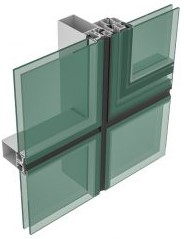
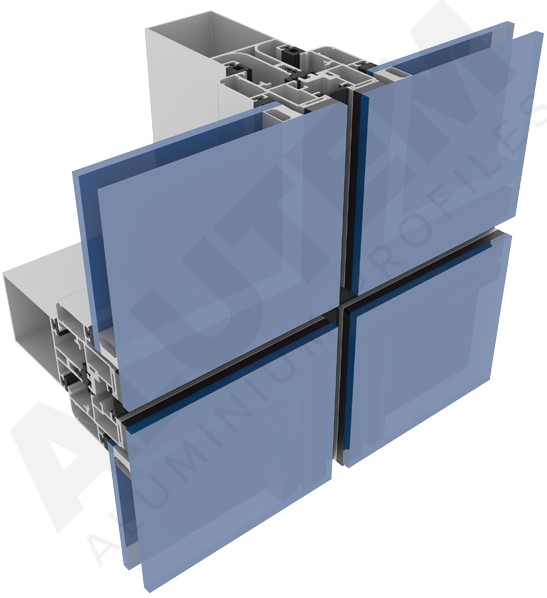
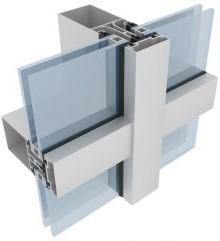
Glass curtain walls are indispensable for modern office buildings and high-rises, giving the structure a transparent, prestigious appearance. A seamless look can be achieved with structural silicone glazing; insulated-glass and low-e coated versions improve energy performance.
Aluminium composite panel (ACP) facades have a wide range of uses, from shopping malls to business centres, thanks to their light weight and broad colour options. They offer fast installation and a cost advantage.
Natural stone facades are applied using granite, marble, and travertine; they are chosen for projects seeking durability, prestige, and premium aesthetics. They can be installed with hanging systems or concealed clips.
Ceramic and porcelain ceramic facades are lighter than natural stone, stain-resistant, and available in a wide colour range. They are installed with articulated hanging systems.
Terracotta facades consist of natural fired clay panels; with their characteristic texture and warm appearance, they stand out in cultural and educational buildings.
Sinterflex and large-format thin panel facades are a modern solution that has grown popular in recent years, providing wide-surface cladding with minimal joint lines.
In terms of design, alongside classic vertical and horizontal segmented applications, seamless systems using structural silicone glazing and custom solutions that adapt to stepped and inclined surfaces are also possible.
How Does a Curtain Wall System Work?
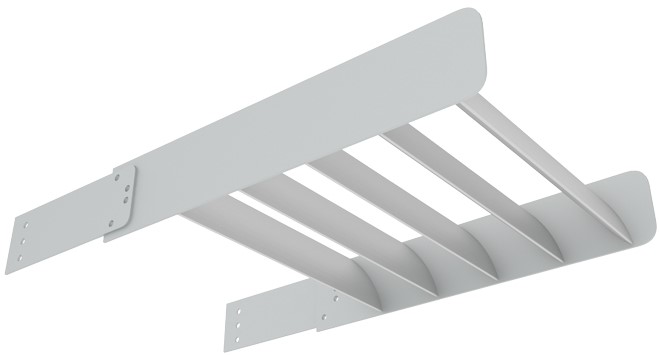
A curtain wall system consists of three main components: the load-bearing framework, the cladding material, and the fixing elements. The load-bearing framework, mostly made of aluminium profiles, is connected to the building’s reinforced concrete structure with steel brackets. This framework carries the entire load of the facade and keeps the cladding material correctly aligned.
The cladding material forms the visible face of the facade and can be glass, composite panel, stone, or ceramic depending on the project’s aesthetic preference. The fixing elements are the system’s unsung heroes: clips, articulated joints, hanging systems, or adhesives keep the cladding secure against effects such as wind load, seismic movement, and thermal expansion. Installation is carried out using scaffolding or a facade crane depending on the height of the project.
Advantages of Curtain Wall Systems
Curtain walls offer many structural and architectural advantages over traditional facade cladding. Because the system is independent of the building’s load-bearing structure, it places no additional load on the building frame; this is particularly helpful in simplifying structural calculations for high-rise buildings.
By allowing large glass surfaces, it brings the advantage of natural lighting and views to interior spaces, which has a positive effect on both energy savings and spatial quality. With high-thermal-performance profile and glass combinations, building energy consumption can be reduced significantly.
Thanks to its modular structure, installation is fast; the building envelope is completed in a short time, and interior work can proceed in parallel. When maintenance is eventually needed, intervention is possible on a panel-by-panel basis, with no need to replace the entire cladding.
In terms of architectural freedom, curtain walls offer limitless design possibilities: flat, inclined, stepped, angular, or organic surfaces can all be applied with the same system logic.
Areas of Application
Curtain wall systems are applied across a wide variety of building types, including hotels, plazas and office buildings, business and shopping centres, hospitals, university campuses, airport terminals, and modern industrial facilities. Whatever the function of the building, a curtain wall is an investment that delivers aesthetics, energy efficiency, and a long service life.
Alutem Aluminium Joinery Systems
Alutem produces the profiles for its aluminium joinery systems in its own facility using the extrusion method, offering a broad product range across non-insulated, insulated, sliding, and special application categories. It delivers its profiles to the market through three different channels.
Wholesale profile supply: Profiles are sold by the tonne to aluminium joinery manufacturers, contractors, and building material suppliers. These companies turn the profiles into systems in their own workshops and deliver the final project as window, door, display case, or facade fabrication. The technical team can be contacted for tonnage-based pricing, technical datasheets, section details, and system catalogues.
Ready-made systems from the workshop: Window and door systems are fabricated as ready packages in the workshop next to the store. The customer provides their measurements and system preference, the product is manufactured in the workshop, and the customer collects it and arranges installation with an installer of their choice. The workshop does not provide installation services.
Dealer network: Alutem dealers are located in various regions of Türkiye. Customers seeking a complete solution (system plus installation) for residential, commercial, or industrial projects are directed to their regional dealer. Active dealerships are available in the Sakarya and İstanbul regions.
For contact, technical support, and project consultancy, reach out via the contact page.